ChatGPT Images 2.0: The Next Frontier in AI Image Generation

AI image generation has moved far beyond simple illustrations. With GPT Images 2.0, we are entering a phase where images can be precise, readable, controllable, and production-ready—not just visually appealing.
This post focuses entirely on GPT Images 2.0, its capabilities, and what becomes possible when image generation is treated as a serious creative and professional tool rather than a novelty.
What Is GPT Images 2.0?
GPT Images 2.0 is a next-generation image generation model built to solve long-standing challenges in AI visuals:
- Weak prompt adherence
- Unreadable or broken text
- Inconsistent layouts
- Poor control over composition and depth
Instead of optimizing only for creativity or speed, GPT Images 2.0 is optimized for accuracy, structure, and intent preservation.
Core Capabilities That Set GPT Images 2.0 Apart
1. High-Fidelity Prompt Understanding
GPT Images 2.0 excels at following complex, multi-step prompts. When you specify relationships, hierarchy, lighting, or layout rules, the model respects them with minimal deviation.
This makes it suitable for:
- UI concepts
- Technical diagrams
- Product visuals
- Editorial illustrations
2. Reliable Text Rendering
Text inside images is no longer an afterthought.
GPT Images 2.0 can:
- Render readable headings, labels, and annotations
- Maintain alignment and spacing
- Handle mixed typography sizes
- Preserve clarity even in dense layouts
This capability alone unlocks use cases like dashboards, posters, book covers, slides, and educational visuals.
3. Layout, Depth & Perspective Control
The model understands foreground, midground, and background separation, allowing for:
- Realistic depth perception
- Cinematic compositions
- Layered UI panels
- Clear visual storytelling
You can explicitly describe spatial relationships and expect them to be respected.
4. Professional-Grade Visual Consistency
GPT Images 2.0 produces images that feel cohesive:
- Consistent lighting
- Logical shadows and reflections
- Material-aware rendering (glass, metal, fabric)
- Reduced artifacts and distortions
This reduces the need for manual cleanup or post-processing.
Four Complex Prompts to Explore Its Full Power
Below are high-complexity prompts designed to push GPT Images 2.0 to its limits. You can generate these manually to see the model’s real strengths.
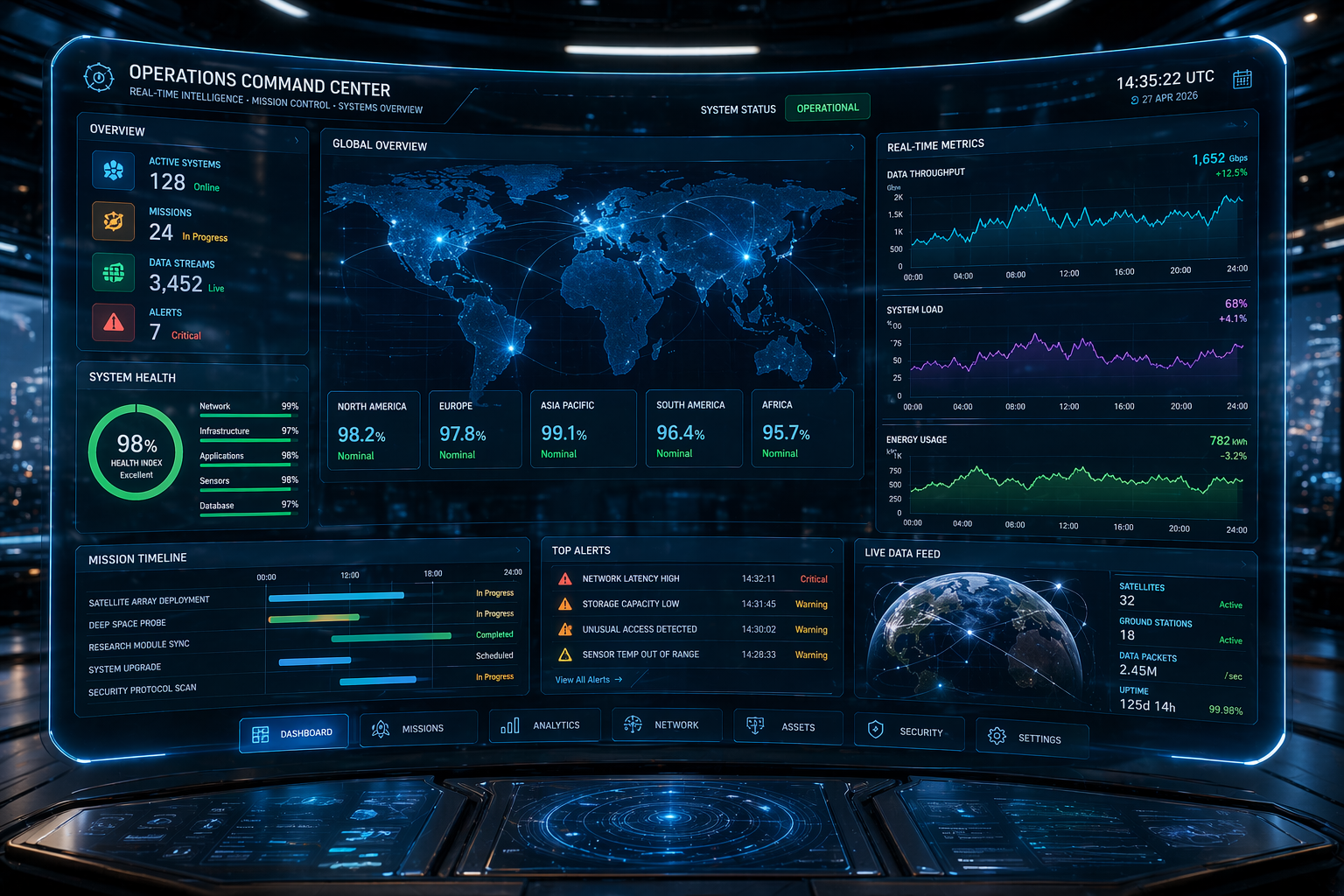
Complex Prompt 1: Advanced Interface Design
A futuristic operations dashboard displayed on a curved glass screen, featuring layered analytics panels, glowing charts with labeled axes, real-time data indicators, subtle reflections, and depth-separated UI elements in a cinematic sci-fi control room.
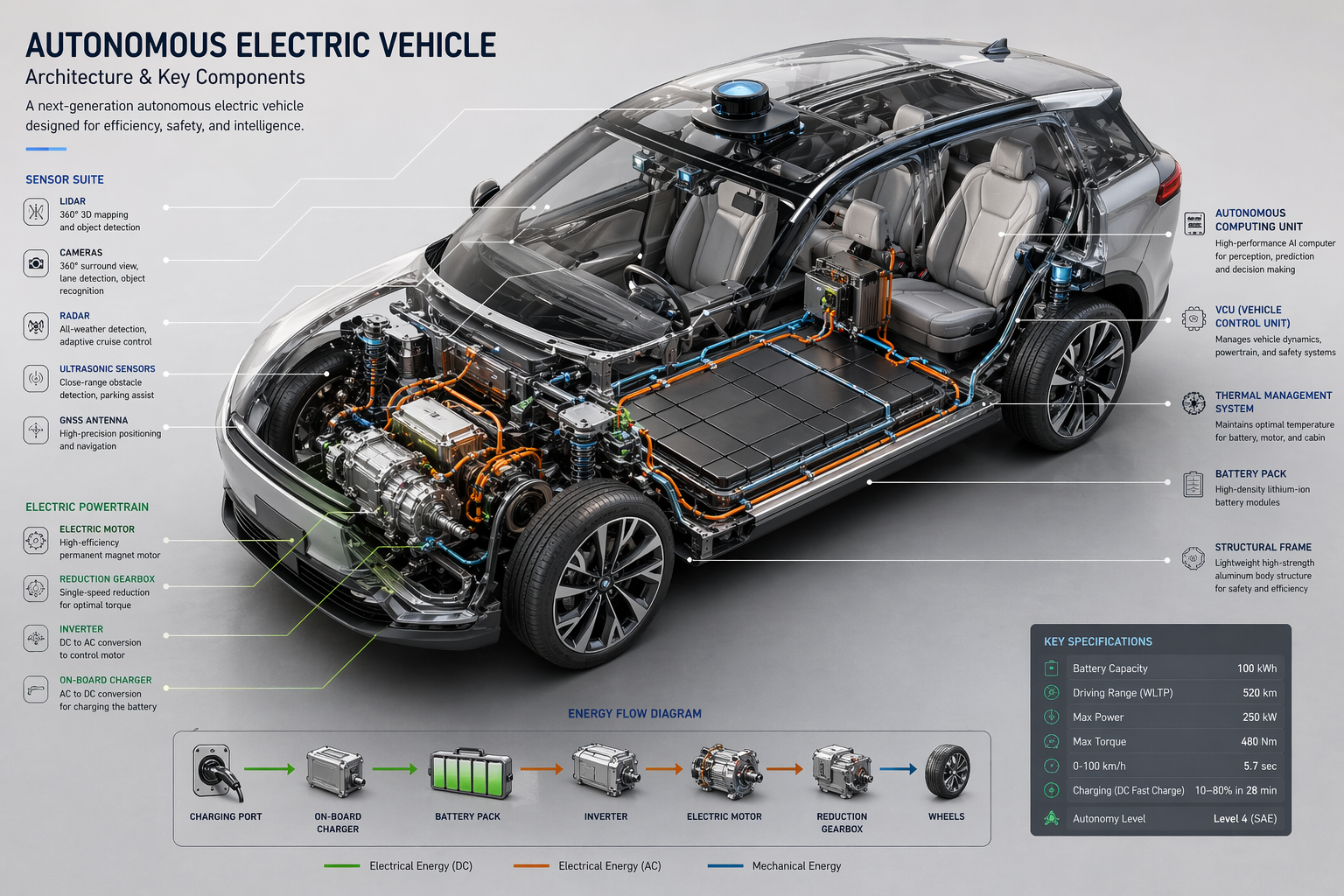
Complex Prompt 2: Technical Visualization
A detailed cutaway illustration of an autonomous electric vehicle, showing internal components with clean labels, wiring paths, energy flow arrows, realistic materials, and a neutral studio background.
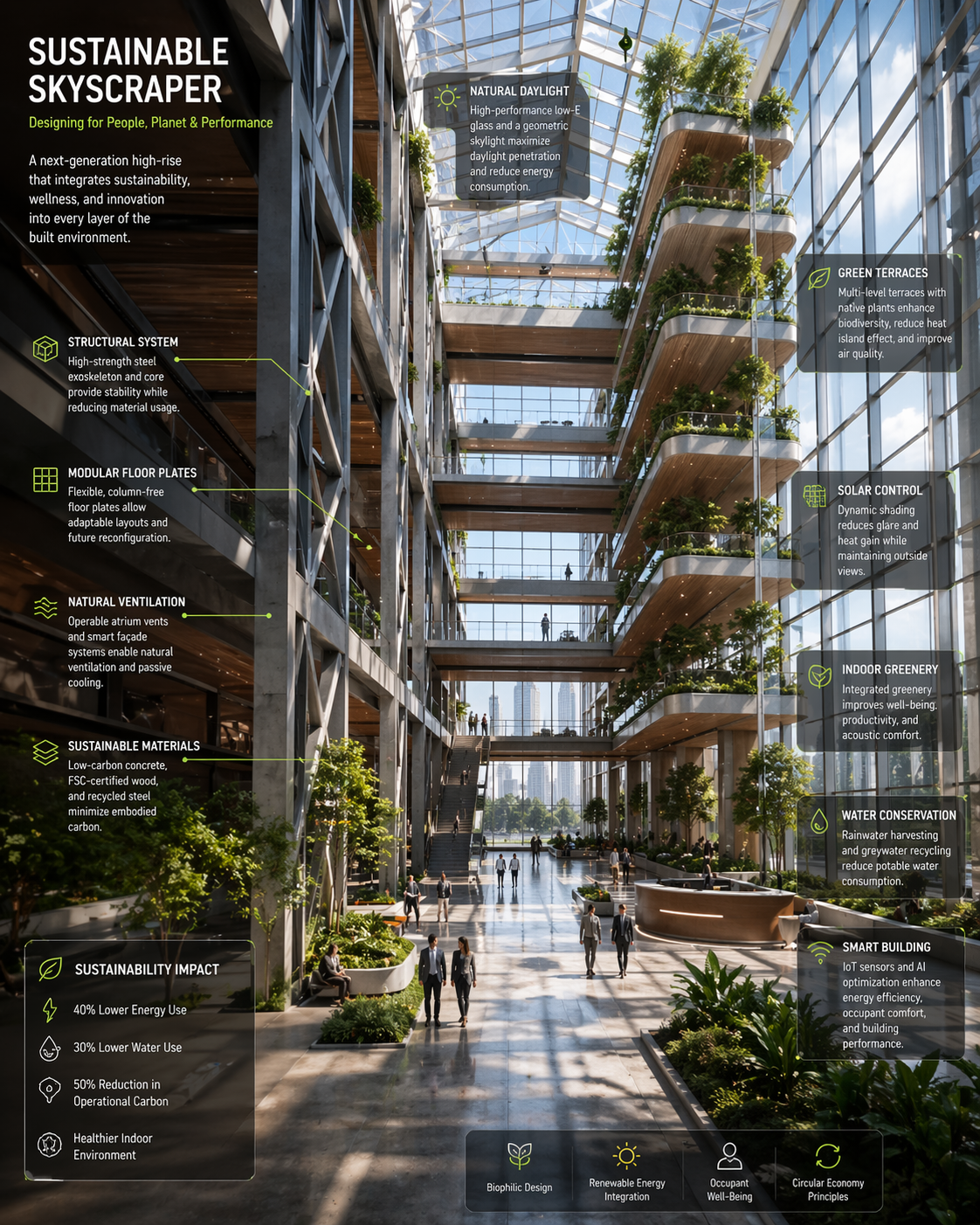
Complex Prompt 3: Architectural Concept
A modern sustainable skyscraper interior with visible structural elements, indoor greenery, natural light simulation, annotated design callouts, realistic shadows, and depth perspective from ground floor to ceiling.
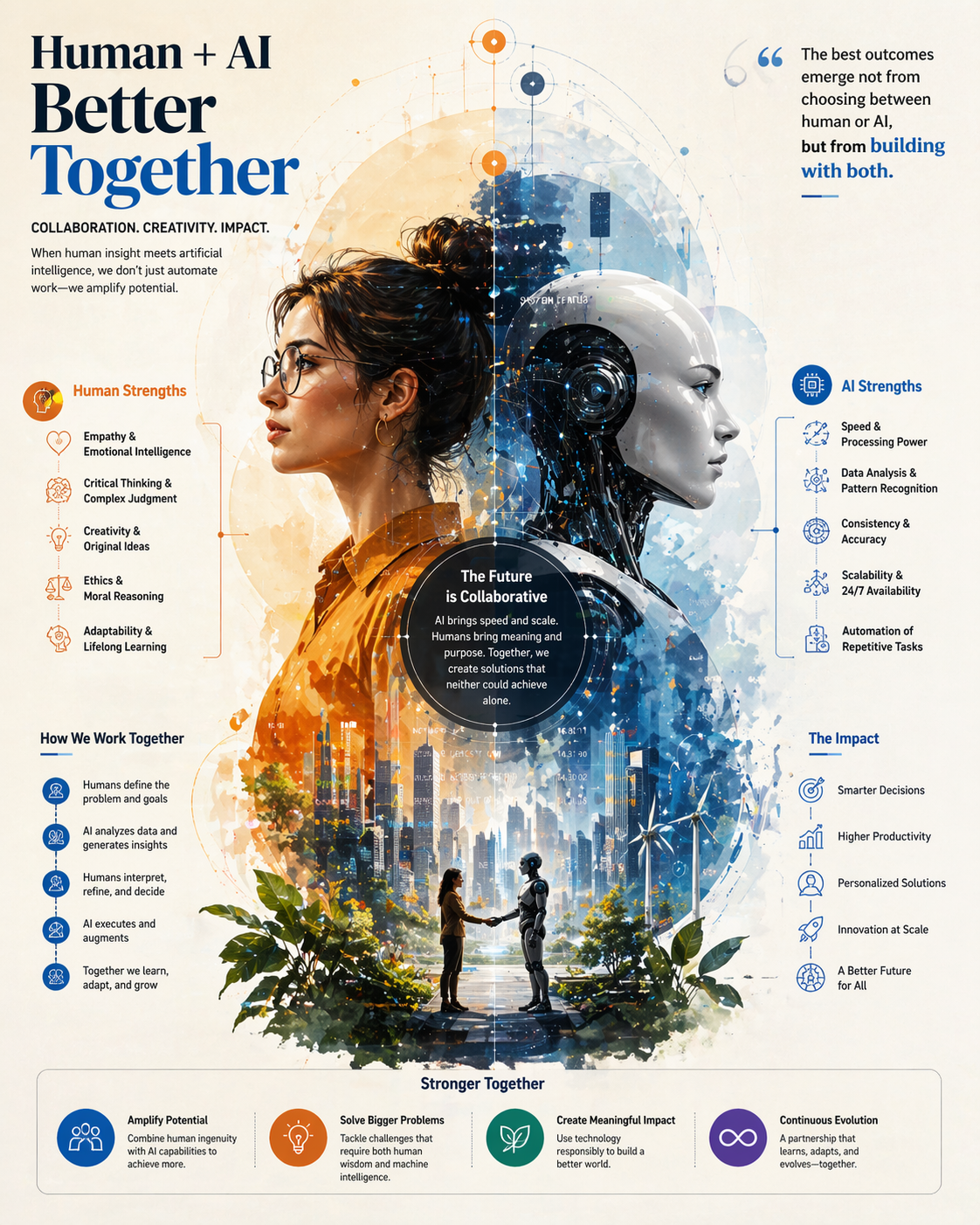
Complex Prompt 4: Editorial Illustration
A magazine-style illustration representing human–AI collaboration, featuring layered symbolism, readable text callouts, balanced composition, professional color grading, and print-ready clarity.
Four Fun Prompts That Show Creative Range
GPT Images 2.0 is not only about precision—it also excels at playful, imaginative concepts without losing quality.
Fun Prompt 1
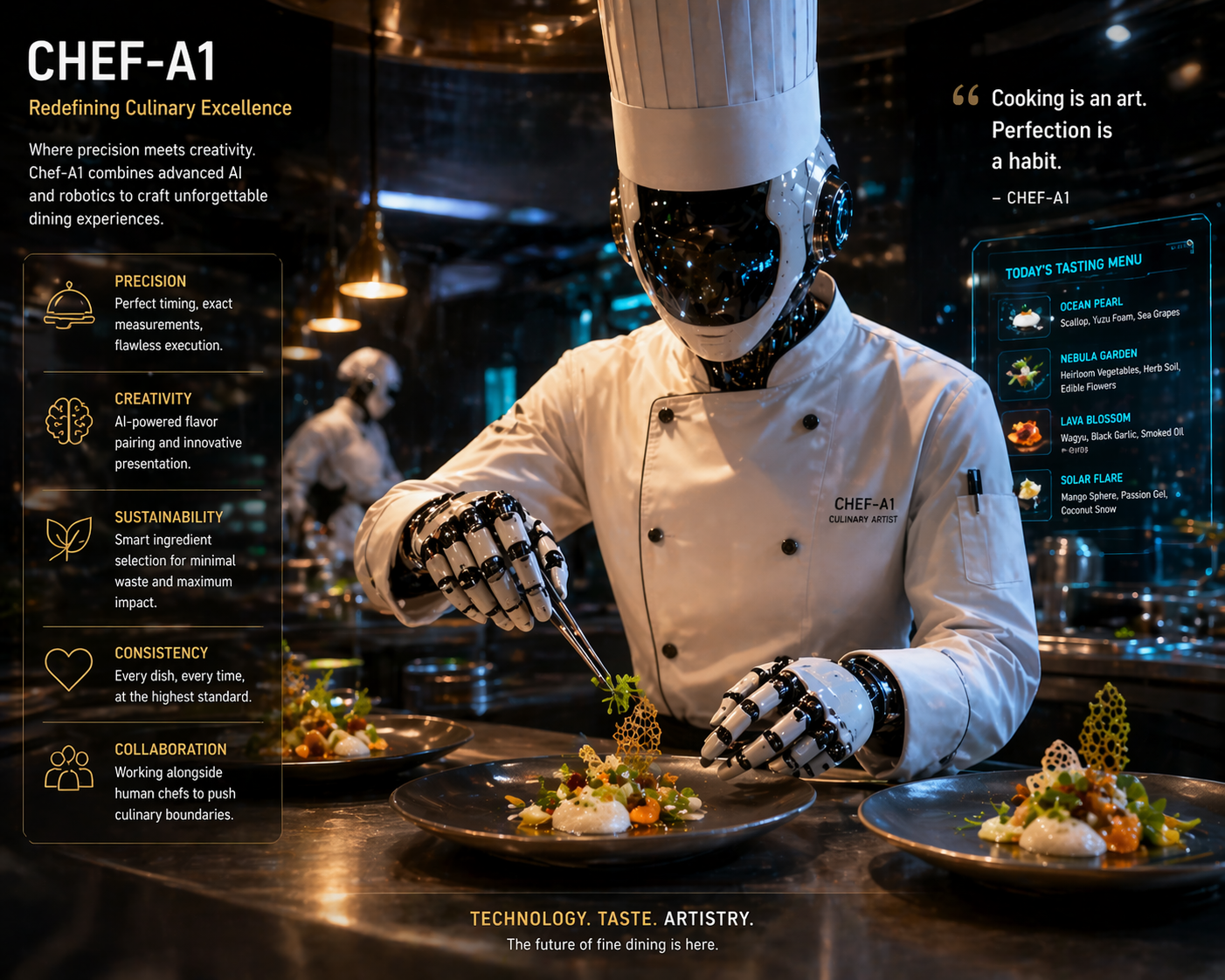
A robot chef running a fine-dining kitchen, wearing a classic chef’s uniform, plating futuristic dishes, with expressive body language and cinematic lighting.
Fun Prompt 2
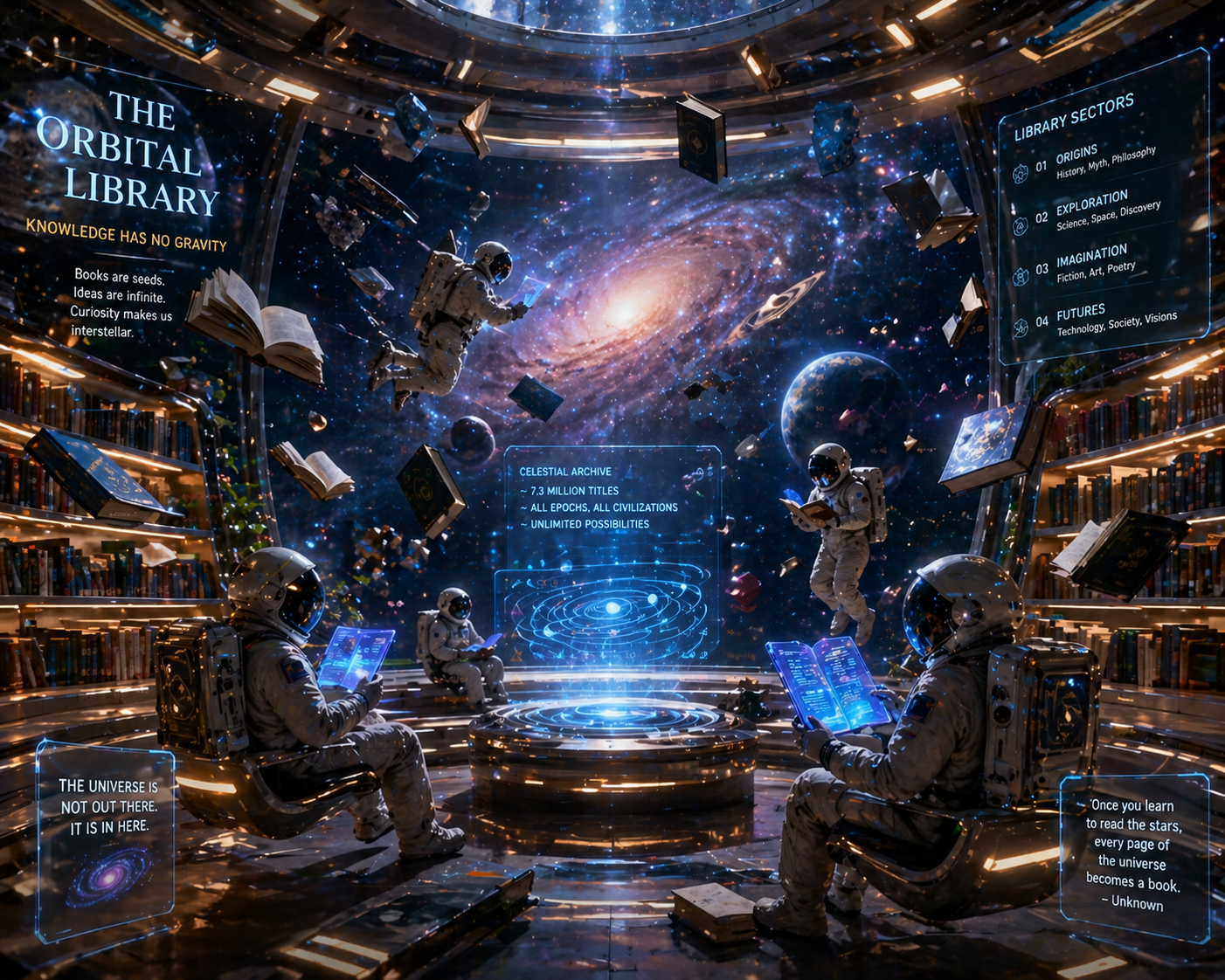
A library floating in space where books orbit slowly, astronauts read holographic pages, and soft cosmic light fills the scene.
Fun Prompt 3
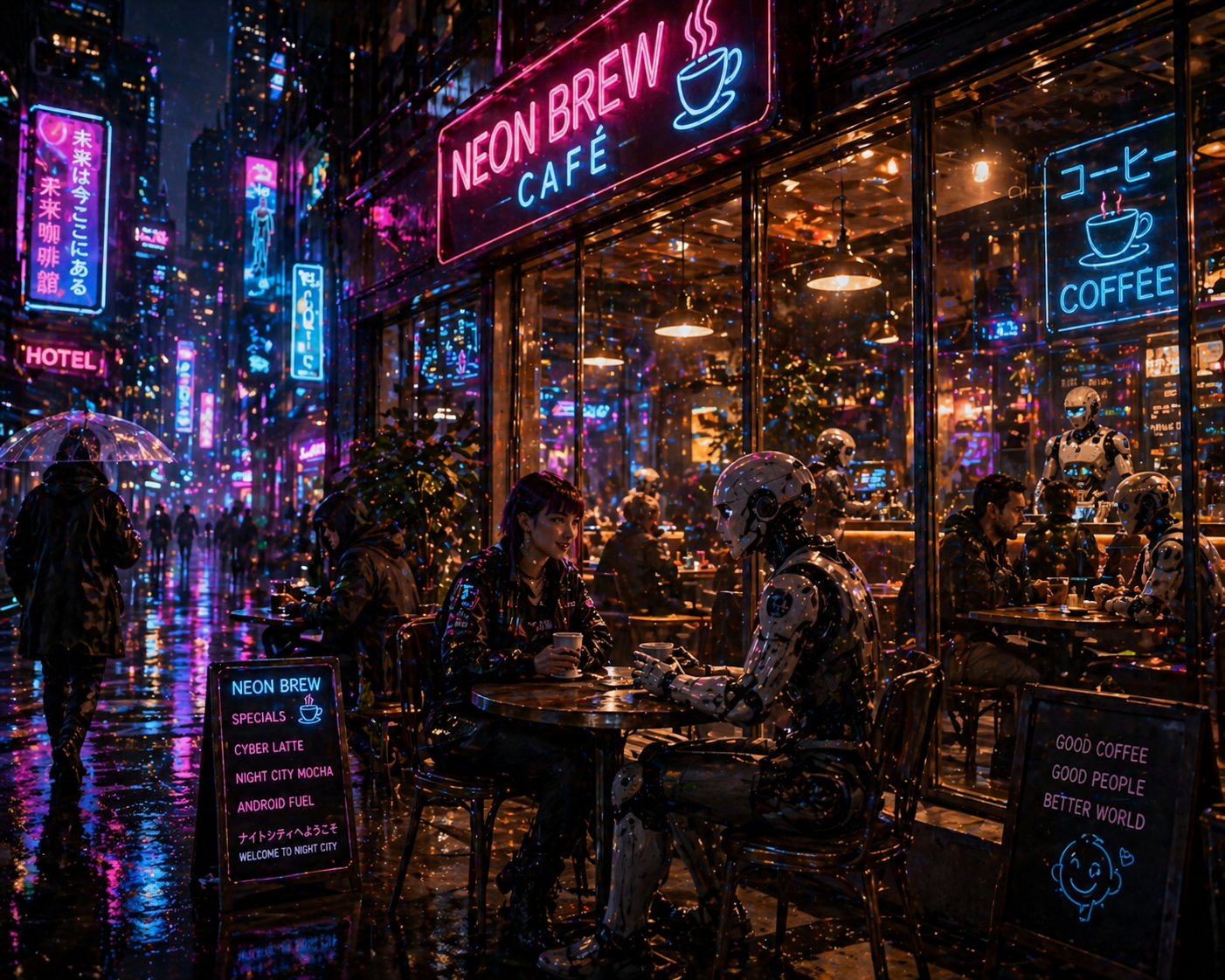
A cyberpunk city café at night where humans and robots relax together, neon signs reflected on wet streets, warm interior lighting visible through glass windows.
Fun Prompt 4
A hyper-detailed cartoon-style world where everyday objects are alive, interacting naturally, with consistent character design and vibrant colors.
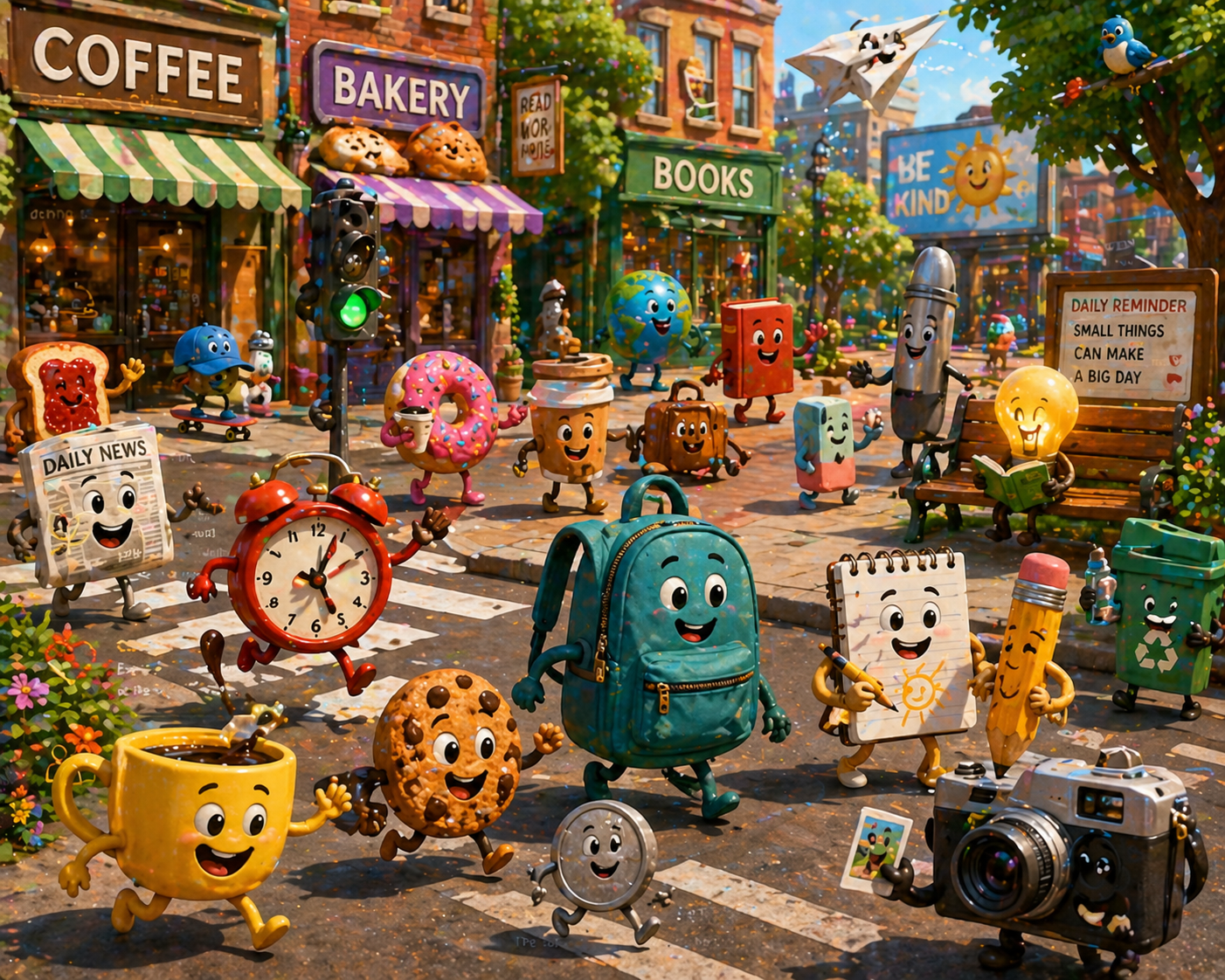
Image Model Elo Scores (April 2026)
Based on the latest publicly available and community-tracked benchmark data as of April 2026, the current landscape looks like this:
| Image Model | Approximate Elo Score |
|---|---|
| GPT Image 2 (high) | ~1332 |
| GPT Image 1.5 (high) | ~1270 |
| Nano Banana 2 (Gemini 3.1 Flash) | ~1264 |
| Nano Banana Pro (Gemini 3 Pro) | ~1217 |
How to Interpret These Numbers
In Elo-based systems:
- A 20–30 point difference is noticeable
- A 50+ point difference is meaningful
- A 100+ point difference usually signals a clear and consistent preference
What This Means for GPT Images 2.0
GPT Images 2.0 sits:
- ~68 Elo points above Nano Banana 2
- ~115 Elo points above Nano Banana Pro
This is not a marginal lead. It indicates that, across a wide variety of prompts and evaluation scenarios, users consistently prefer GPT Images 2.0 outputs—particularly for tasks involving complexity, structure, and accurate text rendering.---
Final Thoughts
GPT Images 2.0 represents a shift from image generation as experimentation to image generation as execution.
When images need to:
- Match intent
- Contain readable information
- Follow structure
- Be reused across platforms
GPT Images 2.0 stands out as a serious creative and professional tool.
If you approach image generation with clarity and purpose, GPT Images 2.0 rewards you with results that feel intentional, polished, and ready for real-world use.